
In part 1 of this series, we took a closer look at the Illusion of a Good Lubrication Program. One of the key findings was that through audits, failure modes were not being monitored actively or in some cases not at all. In this part of the series, we will do a deeper dive into the failure modes that can be missed with lubrication programs.
Critical but not obvious failure modes
With our standard oil analysis programs, there are a few key tests that can indicate the health of an asset. These include; viscosity, presence of wear metals, contaminants, additives, moisture levels and cleanliness levels (ISO 4406). From these tests, we can easily identify if we may have some cause for investigation or concern.
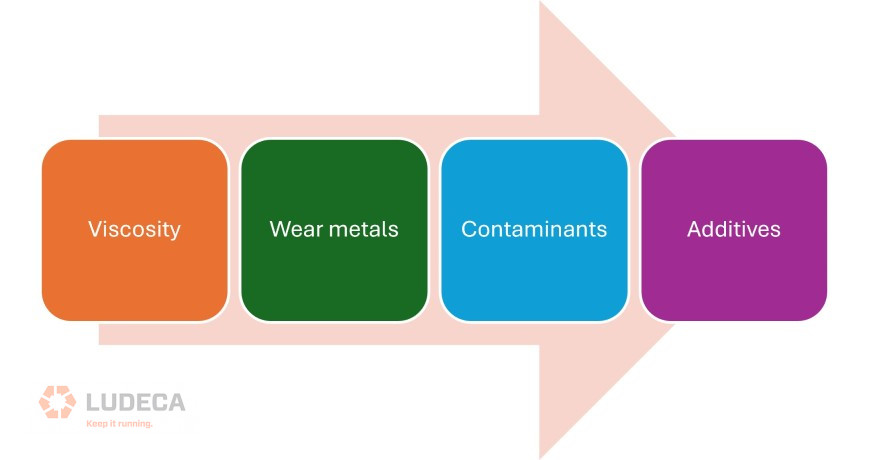
If there are changes in viscosity this can be an indication of a few different things. A decrease in viscosity can indicate that there is possible contamination with fuel or even thermal cracking of the lubricant. However, if the viscosity increases, this can indicate contamination with water (or another higher viscosity grade lubricant, accidentally) or the presence of oxidation degrading the lubricant.
The presence of wear metals can indicate that there is wear occurring within your components. However, there are varying limits depending on the type of oil and the application in which it is being used. For instance, the alarm limit for iron in diesel engines is usually around 60ppm while the alarm limit for iron in gearboxes is closer to 300ppm (this will vary by OEM). As such, it is important to set appropriate alarm limits for various components and oils depending on their applications and environments.
If there is the presence of contaminants, this can easily flag that something is getting into the system (either via an external or internal source) which shouldn’t be there. Contaminants can also act as catalysts to speed up degradation of lubricants. Again, they have varying limits depending on application and type of oil, but they should be monitored.
By understanding the concentration of additives and observing their trends, we can also determine if wear is occurring (by the decline in antiwear additives) or if oxidation is happening (by the decline in antioxidants). By quantifying the concentration of additives, we can also determine if there was possible contamination with another lubricant (if an element shows up which should not be there!). Through the monitoring of additives, we can quickly determine the internal conditions that the lubricant is exposed to, whether or not wear is occurring and if contamination is present.
Download our Oil & Grease Storage Best Practices infographic for some tips to help outline the best practices for proper lubrication storage.
Assessing the Gap
These tests can give an indication of what’s happening inside your oil before the failures occur. Through proper trending and by establishing alarm limits which can warn users in time, failures can be avoided. This is the value of developing a robust lubrication program where impending failures can be detected, avoided and uncovered before they cause any harm to our system.
Stay tuned for part 3 where we dive into designing a resilient lubrication strategy.
Thank you Sanya Mathura with Strategic Reliability Solutions Ltd for sharing this informative and educational series article with us!
Filed under:
Lubrication by Diana Pereda