
Installing or replacing bearings is one of the most common chores of the average maintenance department. Whether it’s replacing overheated motor bearings or installing tapered bore roller bearings on a fan, using the correct procedures and tools makes all the difference when it comes to the lifespan and efficiency of the machine and its components. The following list of key installation procedures and tips will help your business to #keepitrunning.
- First things first! Know what type of bearings you need for your specific application. Determine the load, speed, temperature, lubricant requirements and any other operating conditions that may affect what type of bearing should be used. Many manufacturers will have engineering software tools available at no cost to help you select what’s best for your application.
- Use emery cloth to remove all burrs, rust, etc. from the shaft surface. Clean off all dirt and grease using brake cleaner or a similar solvent.
- Check the shaft for proper fit by using micrometers to measure the shaft diameter where the bearing will be seated. If the shaft is undersized, make a proper shaft repair, refit the bearings to new locations on the shaft, or replace the shaft altogether. Also, check shaft for runout before installation. There is no sense in installing new bearings on a bent shaft!
- You can lightly lubricate the shaft to slide insert bearings (set screw; eccentric lock) onto the shaft if needed. Lubricant should NEVER be used with tapered bore/interference fit bearings.
- Indicate bearings to ensure that your bearings sit square relative to the shaft centerline and/or housings. This prevents a potential pre-loaded condition that will reduce the internal clearance and cause overheating and excessive wear. With common insert bearings where set screws or eccentric collar locks are used to mount the bearings, the best practice for indicating bearings is to attempt to slide the shaft back and forth through the bearings as they will be positioned on the base. This is done before the bearings have been mounted to the shaft. The shaft should slide through the bearings relatively easily, depending on the weight of the shaft and machine. For interference fit split block bearings, such as tapered bore bearings, used a dial indicator to check runout and adjust accordingly.
- Split block bearings will need to be greased. Pack rollers throughout and fill the bottom of the bearing housing with grease up to the bottom of the shaft. Use the grease most suitable for the application.
- Use proper torque values and/or procedures when tightening locking set screws and bearing housing bolts. Keep in mind, if you use Loctite or anti-seize on your bolts, reduce your torque to the wet torque specification for that fastener.
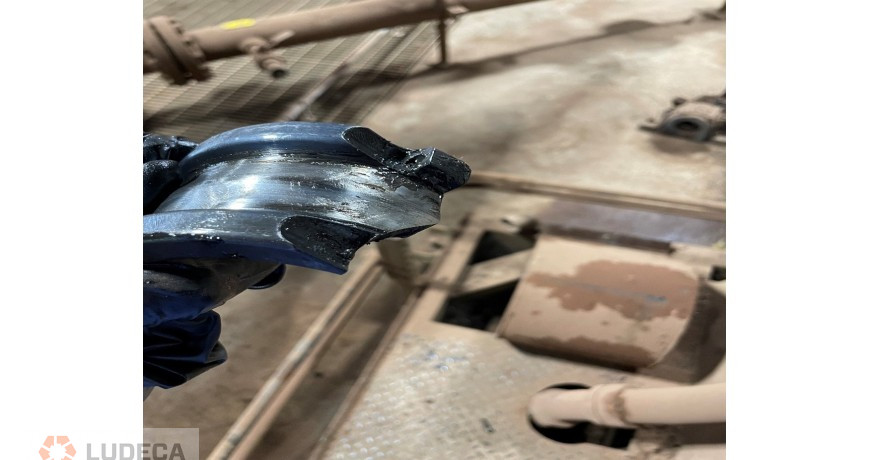
- Know whether your bearings are intended to be “fixed”/held bearings or floating bearings. You will set your floating bearing by checking the total amount of axial play along the shaft. Set your bearing in the center of the anticipated axial play to allow for expansion as the machine comes to operating temperature.
- Straight bore interference fit bearings should be installed using a SURETHERM® bearing heater for accuracy and efficiency. With multiple heating modes such as time mode, and temperature modes in one-sensor mode or two-sensor mode, these bearing heaters have the capability to address any scenario. The SURETHERM® bearing heaters heat your bearings evenly to the correct temperature every time, with no added stress to your bearings, and with an automatic demagnetization feature that keeps metal flakes and shavings out of your bearings.
Bearings are integral to our everyday operations. With attention to detail and the right tools for the job, you can dramatically increase the life span and reliability of your equipment. Do it right and #keepitrunning.
Download our Bearing Storage Best Practices infographic for some basics things to prevent bearing damage and contamination thus maximize bearing life and performance!
Case Study: Field Bearing Heating and Installation with SURETHERM 10X
Filed under:
Induction Heating by Tyler Wilson